Mapping the Transition of Traditional Bingo Calling Patterns into Automated Online Randomizers and Player Engagement Metrics
Quinn Koch · Oct 10, 2026
Mapping the Transition of Traditional Bingo Calling Patterns into Automated Online Randomizers and Player Engagement Metrics
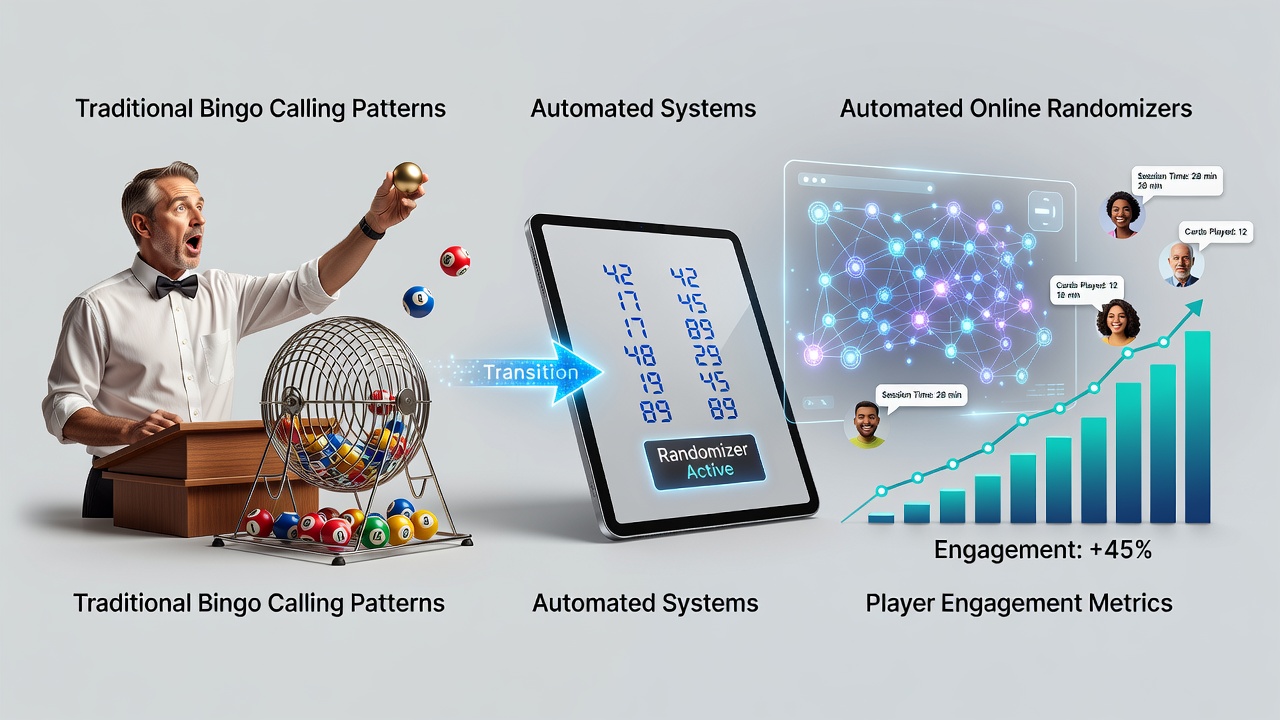
Traditional bingo relied on live callers who announced numbers through established verbal patterns and rhymes that built rhythm and community interaction during each session. Callers would draw from physical balls or cards and deliver phrases like "two little ducks" for 22 or "lucky seven" for the number seven, creating a predictable flow that players recognized and anticipated across generations of games. These patterns shaped engagement by encouraging verbal responses and shared moments among participants in physical halls.
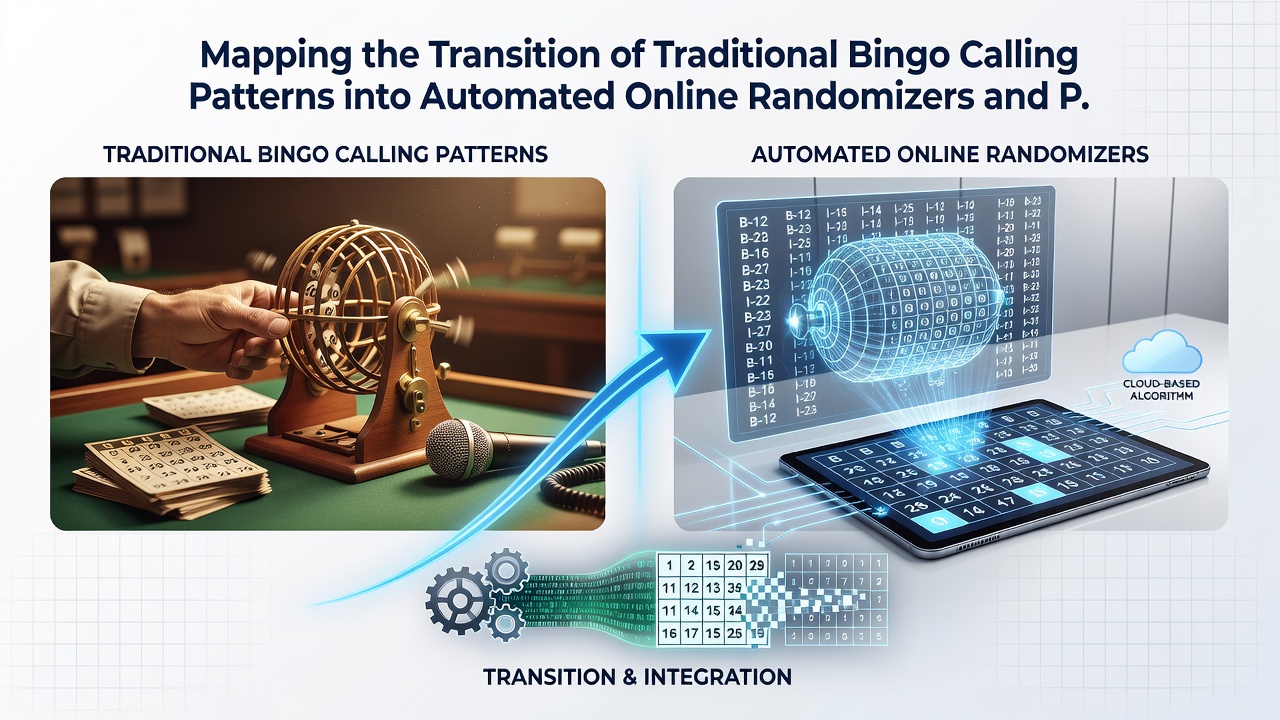
Automated online randomizers replaced this system with algorithms that generate numbers instantly without human intervention or verbal cues. Systems now use certified random number generators to select and display results on digital interfaces, removing the need for live announcers while maintaining statistical fairness in each draw. Data from industry reports shows that platforms adopted these tools widely by the mid-2020s, shifting how sessions unfold in real time.
Core Elements of Traditional Calling Patterns
Calling patterns followed regional variations that added cultural layers to gameplay. In North American halls, callers often used short, punchy announcements paired with visual ball displays, whereas UK and Australian versions incorporated extended rhymes that extended the time between numbers. Researchers documented these styles in observational studies, noting that the cadence helped maintain attention spans during longer sessions. Physical cards and daubers created tactile feedback that reinforced player focus, and group reactions to specific calls added social reinforcement that digital formats later sought to replicate through chat features.
Shift to Automated Randomizers
Online platforms introduced randomizers that eliminate delays between draws and ensure consistent pacing across thousands of simultaneous users. These systems display numbers through animations or instant reveals, bypassing spoken language entirely. Studies from the University of Nevada, Las Vegas Center for Gaming Research tracked adoption rates, showing that automated bingo variants reached broader geographic audiences once regulatory frameworks in multiple provinces and states approved certified RNG software. The transition allowed operators to scale sessions without staffing constraints, while players accessed games at any hour through mobile applications.
Certification processes require independent testing labs to verify that randomizers produce unbiased sequences matching regulatory standards. In October 2026, several Canadian jurisdictions released updated compliance summaries confirming that licensed platforms maintained RNG integrity across expanded bingo offerings. These reports also captured shifts in session duration and repeat participation rates, providing operators with quantifiable benchmarks for platform performance.
Player Engagement Metrics in Digital Environments
Engagement tracking moved from headcounts in halls to digital analytics that measure click-through rates on number daubing tools, average session length, and retention across multiple days. Platforms record data on how quickly players respond to new draws and whether they complete cards within expected timeframes. According to figures from the iGaming Ontario regulatory reports, bingo products contributed measurable portions of overall activity in monitored markets, with automated formats showing distinct patterns compared to live-streamed variants.
Additional metrics include chat participation levels and bonus feature activation frequency. Automated systems enable A/B testing of interface layouts, revealing which visual cues increase completion rates for individual games. European Gaming and Betting Association publications noted that cross-border data comparisons helped identify regional differences in how players interact with randomizer-driven bingo, particularly in markets where mobile access dominates over desktop play.
Comparative Analysis of Participation Trends
Traditional halls measured success through ticket sales and attendance logs, whereas online environments rely on telemetry that captures micro-interactions such as hover times over number grids and abandonment points during rounds. Observers note that randomizers support higher game volumes per hour, which correlates with increased total engagement minutes across user bases. Yet the absence of live callers removed certain social prompts, prompting developers to introduce substitute features like animated reactions and leaderboards.
Research indicates that hybrid models combining automated draws with occasional live commentary retain elements of teh original pattern-based experience while leveraging digital scalability. Data collected through 2026 shows steady integration of these approaches in regulated markets outside the United Kingdom, with platforms adjusting randomizer speeds to match historical calling tempos in some cases.
Conclusion
The mapping of traditional bingo calling patterns onto automated randomizers illustrates a clear evolution in how numbers are delivered and how engagement is quantified. Physical rhymes and community responses gave way to algorithmic precision and detailed performance dashboards. Regulatory updates released in October 2026 reinforced standards for both fairness and data transparency, supporting continued refinement of these systems across jurisdictions. The result remains a measurable expansion of access paired with new tools for tracking participation at scale.